
A company that wants to hire students directly needs a campus recruitment process it can repeat: plan the hiring need, agree dates with the placement cell, present to students, screen, interview, then issue offers.
The sequence below shows what happens at each stage and who owns it. It is the overview for what is campus recruiting, and the stages can be adapted to each school.
Quick answer: the recruiter plans and runs the selection steps. The placement cell schedules, arranges and facilitates them. It does not promise anyone a job.
Planning the drive before contacting a school
Campus hiring works best as a formalized, step-by-step plan that runs from choosing colleges to making hires, as iMocha’s campus recruitment guide describes it. The first stage happens inside the company, before any school hears from it.
According to HireQuotient’s campus recruitment glossary, planning covers four jobs:
- Define the hiring need. Decide which positions and skills the organization requires. This sets the test content and interview questions later.
- Choose target campuses. Pick schools where the skills you need are likely to be found.
- Set objectives. Decide what the drive should achieve so that every later round has a clear purpose.
- Allocate resources. Confirm who from the company will present, assess and interview.
Skipping this stage causes most downstream problems. A team that cannot name the role it is hiring for cannot brief the placement cell on eligibility or choose a sensible selection format. The wider choices about which schools to prioritise belong in a campus recruiting strategy. The drive plan only needs the outcome of those choices.
Coordinating dates with the placement cell
The placement cell is the school’s route for companies. A university placement cell guide published by Visvesvaraya Technological University lists corresponding with prospective companies on interview dates and the schedule of events among its duties. It also lists arranging the selection process at the campus as per the company’s requirements.
In practice, scheduling a drive means sending the placement cell one clear request. Include these items:
- The role and skills sought. This lets the cell tell students what the drive is for.
- The rounds you intend to run. Say whether you want a presentation, a written screen, interviews or an assessment day, so the cell can arrange the selection process to your requirements.
- Preferred dates for each event. The cell corresponds with companies on dates and the schedule of events, so expect it to confirm or adjust your proposal.
- What you need on site. Rooms and seating for each round are a request to the cell, not something to assume.
Treat the cell as the owner of the school’s calendar and the final say on dates. A company that arrives with a fixed plan and no flexibility tends to lose the slot to a company that fits the school’s schedule.
Who does what in a drive
Recruiter and college responsibilities overlap at three points: scheduling, selection and offers. The table separates them so each side knows what to expect.
| Stage | Recruiter’s job | Placement cell’s job | Planning use |
|---|---|---|---|
| Planning | Define positions and skills, choose campuses, set objectives, allocate resources | Not involved until contacted | Finish this before any outreach |
| Scheduling | Propose dates and the events needed | Corresponds with companies on interview dates and schedule of events | Send one complete request |
| Selection | Set the rounds and assess candidates | Arranges the selection process at campus as per company requirements | Brief the cell on the format early |
| Interviews | Interview selected candidates, individually or on an assessment day | Facilitates the venue and student flow | Confirm rooms and the candidate list |
| Offers | Extend offers with compensation, benefits and start date | Collects appointment letters or receives offer letters from recruiters | Route offers through the cell for record-keeping |
The recruiter-side stages follow HireQuotient, and the placement cell duties follow Visvesvaraya Technological University.
The same university guide describes the cell as a facilitator and counselor for placement activities. It states that the cell does not guarantee a job. The hiring decision, and the accountability for it, stay with the company. Anyone assigned to the recruiter side can read the campus recruiter job description to see how these duties are usually split inside a hiring team.
Running the pre-placement talk
The pre-placement talk is the company’s first direct appearance in front of students, and it sits among the events the placement cell schedules with companies. Treat it as a presentation for the audience the cell brings, since the students in the room have not yet been screened.
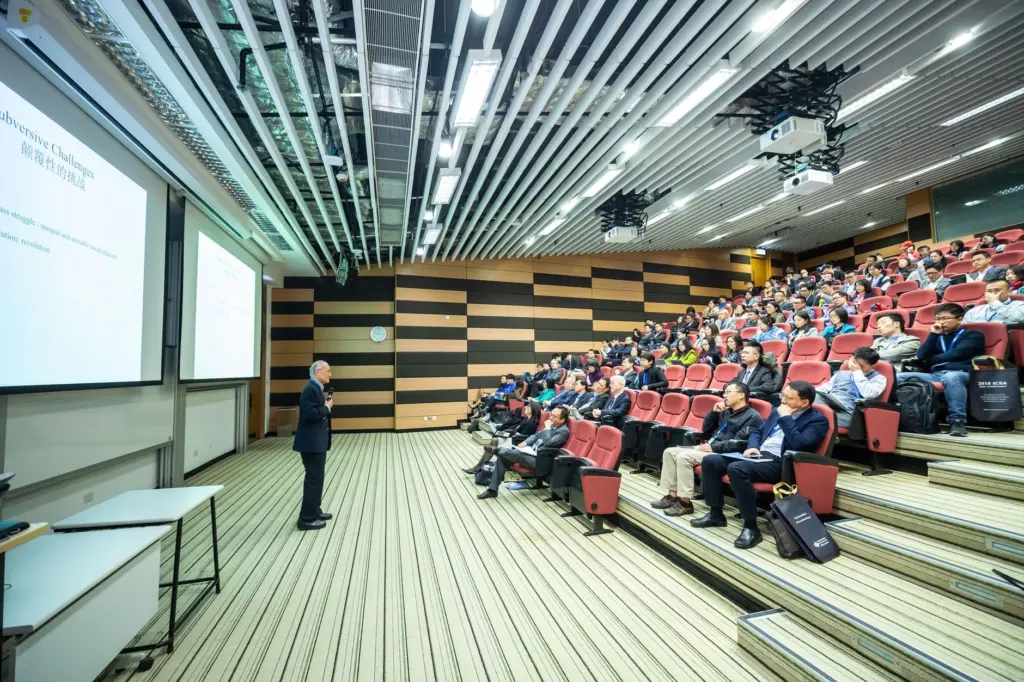
Build the talk around what students need in order to decide whether to apply:
- The role and skills. Repeat the positions and skills defined in planning so applicants can judge their fit.
- The selection rounds ahead. Tell students which rounds follow the talk, so the next stage does not surprise them.
- How the placement cell fits in. Students should know that the cell is the channel for dates and updates.
Keep the presenter list short and let the recruiting team stay for questions afterwards. Once students know what to expect, the drive moves to screening.
Screening and selection rounds
The selection process at campus is arranged by the placement cell according to the company’s requirements, so the format is the recruiter’s decision to communicate. A written or aptitude screen suits a drive where many students are interested and the company wants a consistent first filter before spending interview time.

Three decisions shape this round:
- Match the test to the role. Content should reflect the skills identified in planning, not a generic bank of questions.
- Agree the room and the candidate list with the cell. The cell arranges the venue side, so confirm both before the day.
- Decide how results reach the cell. Students hear from the cell, so agree who announces the shortlist.
A drive that is small, or one for a niche role, can fold this round into the interview stage. Larger drives gain more from a separate screen.
Interview rounds on campus
According to HireQuotient, interviews with selected candidates happen on campus, either individually or as part of an assessment day. The choice depends on the role. Individual interviews suit a small shortlist and a single hiring manager. An assessment day suits a company that wants to see several candidates in the same exercises.

Several interview rounds may be needed, and each should test something different. A first round can check basic fit and motivation, and a later round can go deeper on the skills the role needs. Share the round structure with the placement cell in advance so it can plan the rooms and the order in which candidates are called.
Offers and the handover
The final stage is the offer. HireQuotient describes it as extending job offers to selected candidates with details of compensation, benefits and start date. Put those three items in the offer letter itself so a candidate can accept on facts instead of assumptions.

The placement cell’s duties include collecting appointment letters or corresponding with recruiters to receive offer letters. Send a copy of each offer to the cell so the school’s records match what the company has issued. That keeps both sides aligned if a student has questions later.
When a drive stalls
- The dates are not confirmed. Return to the placement cell, which corresponds with companies on interview dates and the schedule of events. Resend the full request with the events and rooms listed, rather than asking about one date at a time.
- Students expect a job from attending. The cell facilitates and counsels, and does not guarantee a job. Say in the pre-placement talk that selection depends on the company’s own rounds.
- The round format does not fit the role. Go back to the planning stage and check the positions and skills. Then adjust the screen or interview with the cell, which arranges selection as per company requirements.
- Offer records do not match. Check that offers were sent to the cell, since it collects or receives offer letters from recruiters.
Frequently asked questions
| Question | Answer |
|---|---|
| What is campus recruitment? | It is the recruiting and hiring of students or graduates directly from colleges and universities. |
| Does the placement cell guarantee a hire? | No. Visvesvaraya Technological University’s placement cell guide states that the cell does not guarantee a job. It acts as a facilitator and counselor for placement activities. |
| Can interviews be held as one assessment day? | Yes. Interviews with selected candidates can be held individually or as part of an assessment day on campus. |
| Who handles the offer letters? | The recruiter extends the offers. The placement cell collects appointment letters or receives offer letters from recruiters. |