
If your career fair draws crowds but few strong candidates, these campus recruiting event ideas offer alternatives: tech talks and hackathons for technical roles, networking and workshops for relationship building, and student-organization partnerships to share the work.
Events work best as a mix, and the right mix depends on the roles you fill. If you are still mapping the basics, start with what is campus recruiting, then use the formats below to decide where to add effort.
- Technical roles: a hackathon or tech talk puts your engineers in front of students who can code.
- Tight budget: an after-work open house or casual meet-and-greet needs little beyond people and refreshments.
- Wide reach: a virtual session removes the venue and the travel limit.
- Campus presence over time: resume workshops and student-group partnerships keep your name in front of students between hiring seasons.
Tech talks and employer information sessions
A tech talk puts one of your engineers or team leads in front of students to explain real work. It suits employers who want technical students to know the team before applications open. It gives you a seated, attentive audience for one topic, so it reaches fewer people than a fair but a more interested group.

To attract students, make the session easy to find. Colleges such as Northern Virginia Community College list employer information sessions on the same events calendar as workshops and career fairs. Ask the career center how to get your talk listed there. A talk titled around a problem your team solved will usually draw better than a general company pitch.
Preparation matters more than polish. Workable’s recruitment event guidance says to start on any video, slideshow or presentation 5 weeks before the event. It also advises testing microphones and the sound system two weeks out. A talk that stalls on a faulty projector wastes the goodwill you built getting students into the room.
The main limit is that a talk is one-directional. Pair it with time afterwards for students to speak to the presenters, or you lose the chance to learn who attended.
Hackathons
A hackathon is a hands-on event where participants work on specific projects individually, in groups or as competitors. 6Connex describes hackathons as excellent for technology companies looking for skilled developers and programmers, and notes they run for 24 to 48 hours.
That length makes this the most demanding format on the list. You need engineers present or on call, space and a clear problem brief. It suits employers with a steady developer pipeline to fill and enough staff to mentor teams. If you hire only a few technical graduates a year, a tech talk usually gives better return for the effort.
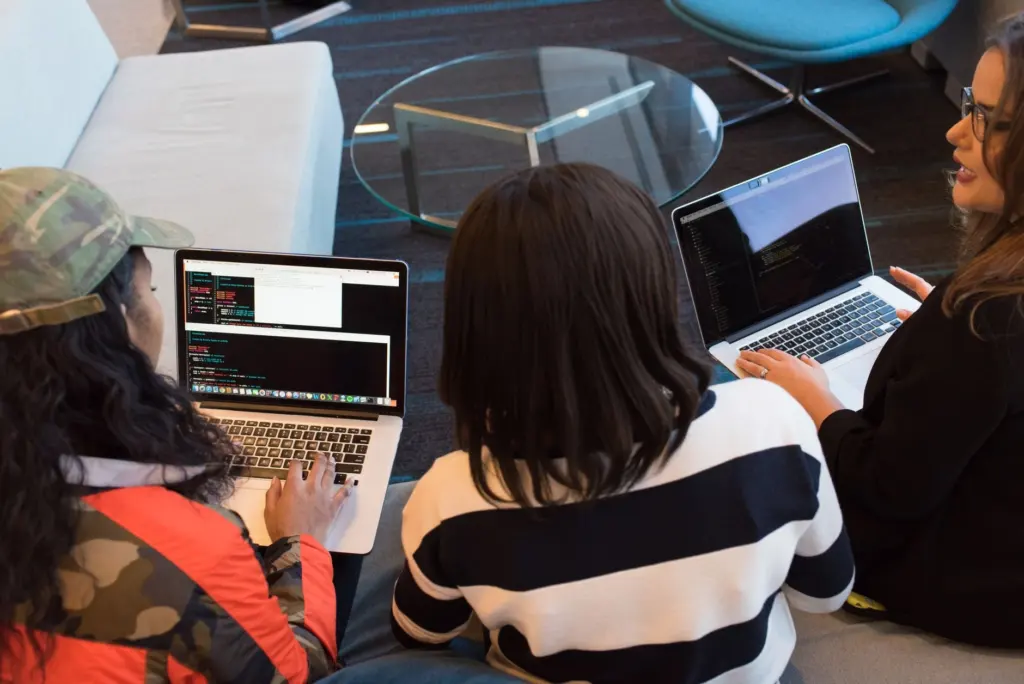
The same source advises opening the event to all levels of experience, not just those with extensive experience. This widens the pool and lets you spot early talent, such as first- and second-year students, who may become interns later. Campus-side recruiters also point to hackathons and coding events as a way to engage tech-savvy students, according to Element451.
Case competitions
A case competition gives student teams a problem to solve and present. It suits employers hiring for analysis, strategy, design or product work rather than only coding. Element451 suggests organizing competitions that excite students, such as design challenges, and quizzes tied to student interests.
Choose a case that resembles real work in your business, so you see how students think. Judging panels let your staff meet teams one by one, which makes this format better for assessing candidates than for building raw awareness. It takes more planning than a talk, because you must write the case and arrange judges, and it reaches fewer students than a fair. Run it alongside a student organization in the relevant field, as covered below, so the audience is already there.
Networking events and open houses
Networking events trade structure for conversation. They suit employers who want students to meet real colleagues rather than recruiters at a booth, and they are usually the cheapest formats to run. Workable notes that an open house is a particularly warm way to introduce your company to potential hires, and that a unique recruitment event needn’t require a hefty price tag.

Open house
Workable recommends hosting it after work and choosing key team members to mingle with guests. Keep the agenda simple: networking, food and drinks, and perhaps a short talk or Q&A. Meeting candidates in person also lets you see what is not on their resume.
Casual meet-and-greet
Element451 describes casual meet-and-greet events as a relaxed setting for students to interact. This works well when you want to approach students who avoid crowded fairs. The trade-off is that attendance depends heavily on promotion, so involve a student group or ambassadors.
Speed networking
Concept3D describes speed networking as a structured way for students to meet employers in limited-duration sessions. It helps shy students who struggle to start conversations. It suits employers who want many short introductions rather than a few deep ones.
Resume workshops
A resume workshop is a skills session where your recruiters help students improve applications. It suits employers who want a steady campus presence at low cost, and it attracts students early in their search rather than the most polished candidates. College career centers already run workshops on topics such as resume writing and networking, as Northern Virginia Community College shows on its career events page.

Rather than competing with the career center, offer to co-host. Concept3D suggests workshops that hone interview techniques and fine-tune resumes. Students leave with something useful and remember your company as the helpful one. The limit is that you will not meet many experienced candidates this way, so treat it as a pipeline-building format rather than a source of immediate hires.
Hiring interns? These sessions pair well with how to hire interns, because they put your team in front of students before internship applications open.
Student organizations and campus ambassadors
Student organizations give you an audience, a room and credibility. Element451 advises partnering with groups that share your values or programs of study, so start with clubs matched to the roles you hire for. A coding club suits a tech talk or hackathon, while a business or design society suits a case competition.
Make the partnership easy for the group. Offer to fund food, provide speakers and handle your own content, and let the student leaders handle promotion and logistics. Concept3D notes that student groups can host lead-up events such as mock interviews or resume workshops, which is a low-risk first collaboration. Agree beforehand on dates, who promotes the event, and how attendee details will be shared.
Campus ambassadors work as a peer voice. Element451 recommends recruiting student ambassadors who represent the mission and programs of your institution; for employers, that means students who can explain what working with you is like in language their classmates trust. Ambassadors suit employers who plan to return to the same campus repeatedly.
Choosing events for your budget and goals
Start from the hire you need, then pick the cheapest format that puts you in front of those students. Cost does not track results. Workable points out that unique events need not be costly, while a hackathon asks for far more staff time than an open house.
Virtual sessions are a further option when travel or venue cost is the constraint. 6Connex says they reach talent anywhere in the world and are more budget-friendly than physical venues. They suit employers hiring beyond a few target campuses, though you lose the in-person impression of a room.
- Name the role. Technical roles point to talks and hackathons; analytical roles point to case competitions.
- Count your staff. If you cannot spare engineers for a long event, choose a talk, workshop or open house.
- Find a partner. A matching student organization reduces promotion work.
- Decide how you will follow up. If you cannot contact attendees afterwards, the event adds little.
- Review results. Compare formats with your campus recruiting metrics before booking the next season.
Capturing attendee details at smaller events
Smaller events skip the badge scanners of a big fair, so build a simple capture step into the format. Concept3D suggests giving students networking tools they can access on their personal devices, such as QR codes. A code on a slide or table card can lead to a short interest form, which suits a talk or workshop where nobody wants to queue.
Registration is another route. Colleges such as Northern Virginia Community College direct students to RSVP for workshops and events through Handshake. A registration list from the career center tells you who planned to attend before the day begins.
Afterwards, act quickly. Workable recommends connecting with promising candidates on LinkedIn and listing the event as a sourcing channel or source of hire. That tag lets you later compare events fairly.
Frequently asked questions
Should we drop the career fair altogether?
No. Element451 recommends attending and sponsoring key campus events such as orientations or career fairs, and college calendars list fairs next to workshops and information sessions. Use other formats to add depth to a fair rather than to replace it.
Are virtual events a good substitute for on-campus ones?
They suit employers who want to reach beyond a few campuses and keep costs down. 6Connex says virtual events reach talent anywhere and are more budget-friendly than physical venues. Keep some in-person events too, because meeting candidates face to face shows what a resume does not.
Do gamified events suit campus recruiting?
They can. 6Connex lists scavenger hunts, escape rooms and trivia as formats that evaluate teamwork, and advises offering prizes or incentives to encourage participation. They suit employers who care more about how students collaborate than about technical skill.